


Mythical Creatures: The Origins and Mythology of the Jinn
Updated: Aug 18
Of all the supernatural beings populating world mythology, few are as complex—or as misunderstood—as the jinn. Long before pop culture reduced them to wish-granting sidekicks in bottles, they occupied a central, solemn place in Middle Eastern and Persian tradition and folklore.
Understanding the origins and mythology of the jinn reveals much about how ancient civilizations made sense of the unseen world, how beliefs about spiritual mysteries traveled and transformed across cultures.
What Are Jinn?

Jinn are supernatural entities that have gone by many names across centuries and cultures: djin, djinn, jinni, jann, ginni, and, eventually, the genie of Western fame.
According to Islamic theology, jinn were created from "smokeless flames of fire" or the "fire of scorching wind" (Quran 15:27, 55:15). This origin sets them apart from every other being in creation. Humans were shaped from clay. Angels were formed from light (Quran 15:27). Jinn came before mankind (Quran 15:26-27).
Are Jinn Good or Evil?
Unlike angels, who are purely spiritual and obedient, or demons, who are purely evil, jinn behave in a complex range of good and evil, much like humans. Jinn can be benevolent, even becoming guardians of human tribes. Several types of jinn are evil and hostile to humans. See Types/Classes of Jinn below.
They are believed to have free will and are capable of attaining salvation through belief and moral living, or damnation through disbelief and evil living. Jinn live in a world parallel to humans, where they reside in their communities and can fall in love, marry, and have children. (1)
Etymology of Jinn and Genie
The word jinn is an Arabic word, meaning "demons, spirits, angels." (2) Jinn is a plural form of the singular jinnī and comes from the Arabic root jnn, which means "to hide, cover, or conceal." (3) This indicates their invisibility to humans and elusive nature.

The word genie comes from the French word génie, meaning "tutelary spirit"—earliest from the Latin genius, which means "guardian deity or spirit which watches over each person from birth." (4)
Genie is used from the 1706 French version of One Thousand and One Nights, a collection of Middle Eastern folklore from Arabic, Persian, and Indian sources. This collection is also known as The Arabian Nights. Famous stories include Aladdin and the Magic Lamp, Sinbad the Sailor, The Fisherman and the Jinni, and Ali Baba and the Forty Thieves.
Origins of Jinn

Belief in jinn stretches back into pre-Islamic Arabia. Some scholars trace their cultural roots to the nature deities once worshiped by the Sumerians, Akkadians, Assyrians, and Babylonians. Others argue jinn emerged from Arabian animistic folklore, where demons were believed to slip into animals and have interactions with humans. (5, 6)

Early nomadic Bedouin tribes crossed vast deserts and settled peoples—among them, the Sabeans, Deanites, and Lihyanites—resided across the Arabian peninsula, North Africa, and Mesopotamia. In both worlds, the same unsettling belief took hold: something unseen lived at the edges of their societies. Deserts, mountains, and abandoned ruins weren't just empty landscapes, they were territory haunted by spirits, demons, and nature gods capable of shaping human fate. Being able to placate a jinn means the difference between sickness and health, cursing and blessing, ruin and protection.
Stories from this period paint the jinn as guardians or tricksters, sometimes leading to tragedy and misfortune. Pazuzu is one of the desert wind demons, with parallels to jinn, who was a real and present danger to the settled tribes of this era. (7)
Jinn Abilities, Morality, and Habitations
Jinn have the potential ability to shapeshift, be invisible, read the thoughts of others, whisper suggestions and temptations, and possess people. Allah has given jinn these powers as a test for them. (8).
Like humans, jinn will be held accountable for their actions. If they use their abilities for good, they will be rewarded. The jinn who use their abilities for evil will face judgment at the "Final Reckoning" by God. (9) The implication is that jinn are capable of spiritual belief and being faithful.
Whenever a jinn possesses a person maliciously, the entity inflicts pain, seizures, and convulsions, causing loss of control over body movement. The jinn can speak through the possessed individual's voice, but usually this occurs only in "advanced cases of magic or possession." (10)

Some jinn can fly in the air. Others travel vast distances through the earth, quickly moving from one place to another. They can even dive into the ocean. (11)

Jinn may reside in abandoned, remote, and unclean spaces such as caves, deserts, ruins, cemeteries, bathhouses, wells, and underground dwellings. Places of jinn habitation arise from Arabic and Persian folklore and superstitions. For example, the concept of jinn living in underworld kingdoms weren't developed in Islamic theology but later in Arabic folklore, as in the stories collected in One Thousand and One Nights.
Jinn live in communities with similar societal constructs as humans according to hadith and folk tradition. But their habitation is within the margins of human residences, such as under the floorboards, between the walls, and in wells. They have been known to have romantic relationships with humans and intermarry with them—such relations are forbidden by some Islamic orthodox clerics.
Forms of Jinn

Jinn are reportedly known to take three different forms, thanks to their shapeshifting ability.
Winged form: Such jinn have the ability to fly.
Animal form: The jinn appear as snakes, black cats, dogs (frequently black dogs ), jackals, and even werewolves; also goats, camels, donkeys, birds, scorpions, and lizards
Human form: These jinn take on human form, and sometimes appear as people in dreams. (12)
Types of Jinn
The jinn can be categorized in the following types or classes. This list is not exhaustive but contains the most popular jinn types. (13)
Jann: A collective word used for all jinn types.
Jinn: A term used for specific individuals or tribes of fire beings. Their morality can be good, evil, or somewhere between good and evil, like humans.
Shaitan: These evil jinn are the children or servants of devils or the chief devil called Iblis, who, in Western traditions, is Satan.
Ifrit: This type of jinn is rebellious and cunning, often associated with the underworld and destruction. They are more evil and powerful fire spirits than the shaitan. They are often depicted as living underground in societal tribes having similar human clan structures.
Marid: The most evil and powerful of the jinn types (14). They're a most unruly class, who are extremely difficult to bind and command. Madrid are frequently linked to the seas or open water. The wish-granting genie of the magic lamp is often portrayed as a marid.

Ghul/Ghoul: These monstrous corpse-eating jinn live in the desert and ruins.
Hinn: These are weaker fire spirits who resemble dogs.
Si'lat/Sila: These jinn are seductresses of travelling or nomadic men, often leading the men to their deaths and giving birth to offspring as a result of having relations with them. They are the female counterpart to ghuls and live in the desolate desert areas.
Techniques to Counteract Jinn
Measures to deter jinn are described below.
Prayers and Recitations
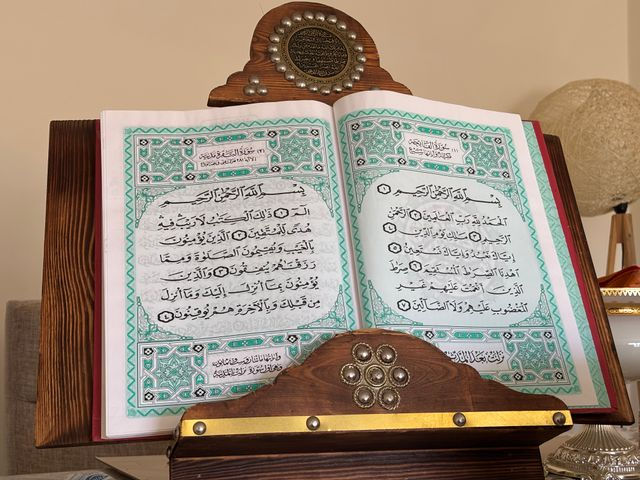
Recitation of verses from the Quran: specifically, Ayat al-Kursi (Quran 2:255), Bismillah, Subhanallah, Surah Al-Baqarah (Quran 2:282), Surah An-Nahl (16:92), and the final two protective chapters, Surah Al-Falaq and Surah An-Nas (Quran 113, 114).
Du'a of Imam Hasan: Reciting a prayer of Imam Hasan, a cousin of Muhammad
Tasbih: Repetitive phrases of faith
Zikr of Allah: Recitation or remembrance of Allah's name

Use of Mirrors: Some believe in using mirrors, which repel jinn from approaching because mirrors reflect the soul.
Use of Taweez (Ta'wiz): An amulet worn around the neck with Quranic verses or authentic hadith (without shirk [polytheism] associations) is commonly worn by Muslims to ward off the evil eye, jinn, illness, and other misfortune.

Use of iron, salt, and other folk remedies and rituals.
Iron produces magnetic fields that has a strong effect on plasma, which may be why it repels jinn. (15)
Sprinkling salt at the threshold of a house or into corners of a room is believed to ward off unclean jinn. Salt can also be added to bathwater to clean a possessed person.
Using dates, olive oil, honey, black seed, and Zamzam water (blessed water from the Zamzam well in Mecca, Saudi Arabia) can additionally be used to treat the evils of magic and possession (16).
Jinn in Islamic Cultural Tradition
Jinn play an integral role in Islamic culture. Islamic texts provide the most detailed descriptions of jinn and their part in the world. Hadiths—the sayings, approvals, and traditions of the Prophet Muhammad—written by Sahih al-Bukhari, Sahih Muslim, and Musnad Ahmad ibn Hanbal tell of jinn encounters, jinn tribal diversity, and jinn appearances, resembling snakes and dogs. Works by Ibn Taymiyyah describe jinn, magic, sorcery, and the unseen world.
The Quran discusses jinn extensively across multiple surahs (or chapters), affirming their existence and describing their nature and work. Look up these Quranic references for more on jinn, Surahs 2:102, 6:112, 6:128, 6:130, 7:11-18, 7:27, 15:27-44, 18:50, 34:12-14, 38:37-38, 41:29, 51:56, 55:13. There is one whole surah devoted to jinn: Surah 72 (Al-Jinn), and a closing prayer for refuge from whispering jinn, Surah 114 (An-Nas).
Creation and Jinn
According to the Quran, jinn and humans were created to worship Allah (Quran 51:56). Jinn are one class of beings out of three created by Allah—the other two classes are angels and humans. The Quran warns of the evil magic, deceptions, and temptations of jinn, especially from the shaitan class, and falling under their possession.
Surah 15, 51, 55 details the creation of jinn and mankind. Surah 7, 15, and 18 tell how Iblis (Satan) refused to obey Allah by bowing down to Adam, and subsequently, his fall and his vow to mislead mankind through deception. Hence, Iblis became the enemy of mankind (Quran 2:168, 6:142, 7:22, 12:5, 17:53, 35:6, 36:60).
Role of Jinn in Folklore and Daily Life
In many Muslim cultures, jinn stories serve as explanations for strange events, illnesses, or misfortunes. People use prayers, amulets, and rituals to protect themselves from harmful jinn, as described above in Techniques to Counteract Jinn. At the same time, jinn are sometimes invoked for help or magical purposes. Islamic orthodox scholars disapprove of people turning to folk remedies to ward off jinn and magic—which the scholars believe undermines reliance on Allah.
Jinn in Popular Culture and Literature
The mythology of jinn has inspired countless stories, from ancient folktales to modern literature and films. In the 10th century, Ferdowsi wrote The Shahnameh (Book of Kings), a royal epic in which heroes slay jinn creatures. The Legend of Sa'd and Sa'id is a pre-Islamic folk story about two brothers who encounter jinn in the wilderness. As previously mentioned, the famous collection One Thousand and One Nights contains a wide variety of tales featuring jinn as antagonists, tricksters, or agents of transformation or punishment.
More modern novels with jinn characters include American Gods (2001) by Neil Gaiman, The Golem and the Jinni (2013) by Helene Wecker, The Daevabad Trilogy (The City of Brass, 2017, and sequels) by S.A. Chakraborty, and P. Djèlí Clark's novellas, A Dead Djinn in Cairo (2016) and A Master of Djinn (2021).
In the Western world, the idea of a genie in a bottle comes from these Arabic stories but often simplifies or distorts the original beliefs. Fantasy and horror genres continue to feature jinn as mysterious and powerful beings but with a more modern twist. Current movies showcasing these fire spirits are: Jinn (2014), a horror movie; Jinn (2018), a drama about identity; and Three Thousand Years of Longing (2022), a romantic fantasy starring Idris Elba as an emotional and god-fearing jinn.
the Jinn Myth Endures

The enduring fascination with jinn arises from their ambiguous nature. They represent the unknown forces that surround human life—both helpful and harmful, visible and invisible. Jinn stories reflect human hopes and fears, and show the desire for respect, love, and riches.
The origin and mythology of the jinn offers a window into ancient Middle Eastern and Persian cultures and their understanding of the unseen world. These beings, born from fire and mystery, continue to capture imaginations and influence stories across the world.
— By Mel Bridges
References
(1) Islam House - English, The World of the Jinn, Islam House, c. 2025, pp. 3-4. https://archive.org/details/the-world-of-the-jinn/page/2/mode/2up
(2) "Origin and history of jinn," Etymology Online, https://www.etymonline.com/word/jinn
(3) Jinn: Etymology and translation, Wikipedia, https://en.wikipedia.org/wiki/Jinn
(4) "Origin and history of genie," Etymology Online, https://www.etymonline.com/word/genie
(5) "The Jinn Supernatural Beings of the Muslim World" video, Think Anomalous Channel, Oct 18, 2022. https://archive.org/details/the-jinn-supernatural-beings-of-the-muslim-world, time stamp 00:50.
(6) Lebling, Robert. Legends of the Fire Spirits: Jinn and Genies from Arabia to Zanzibar, I.B. Taurus, c. 2010, p. 10. https://research.ebsco.com/c/flmyky/ebook-viewer/pdf/2tvujzidnj/page/pp_10?location=https%3A%2F%2Fresearch.ebsco.com%2Fc%2Fflmyky%2Fsearch%2Fdetails%2F2tvujzidnj%3Frequest-context%3Dplink&db=nlebk&db=nlabk
(7) "The Jinn Supernatural Beings of the Muslim World" video, time stamp 1:06-1:42.
(8) Islam House, The World of the Jinn, p. 4.
(9) Ibid.
(10) Abdelfattah, Jamal Hussein, An Islamic Introduction to Understanding Magic, Evil Eye, and Jinn Possession, Lulu.com, c. 2025, pp. 7, 9, 29
(11) Ibid, pp 17-18.
(12) Ibid.
(13) Lebling, pp. 7-8.
(14) Ibid.
(15) "The Jinn Supernatural Beings of the Muslim World" video, time stamp 17:13.
(16) Abdelfattah, pp. 25-26.


Comments