


Understanding the Key Differences and Similarities Between Legends, Myths, and Folklore

Stories shape cultures, connect generations, and explain the world around us. Among these stories, legends, myths, and folklore stand out as interpretative forms of narratives. While they often overlap in themes and purposes, each has distinct qualities setting them apart. Understanding these differences and similarities reveals how and why societies use each storytelling form to preserve history, teach lessons, and express beliefs.
What Are Legends?
Legends are stories rooted in historical events or figures but often exaggerated over time. They usually focus on real people or places, blending fact with fiction to create compelling narratives. Legends often highlight heroic deeds, moral lessons, or extraordinary events that inspire or warn listeners.
Key Features of Legends
Based on historical or semi-historical events
Often involve real people or places
Include exaggerations or supernatural elements
Passed down orally before being written
Aim to explain or celebrate cultural identity

Example: The legend of King Arthur is based on a possible historical leader in Britain. Over centuries, stories about his knights, the sword Excalibur, and the quest for the Holy Grail grew into a varied treasury of heroic adventures and chivalrous narratives.
What Defines Myths?
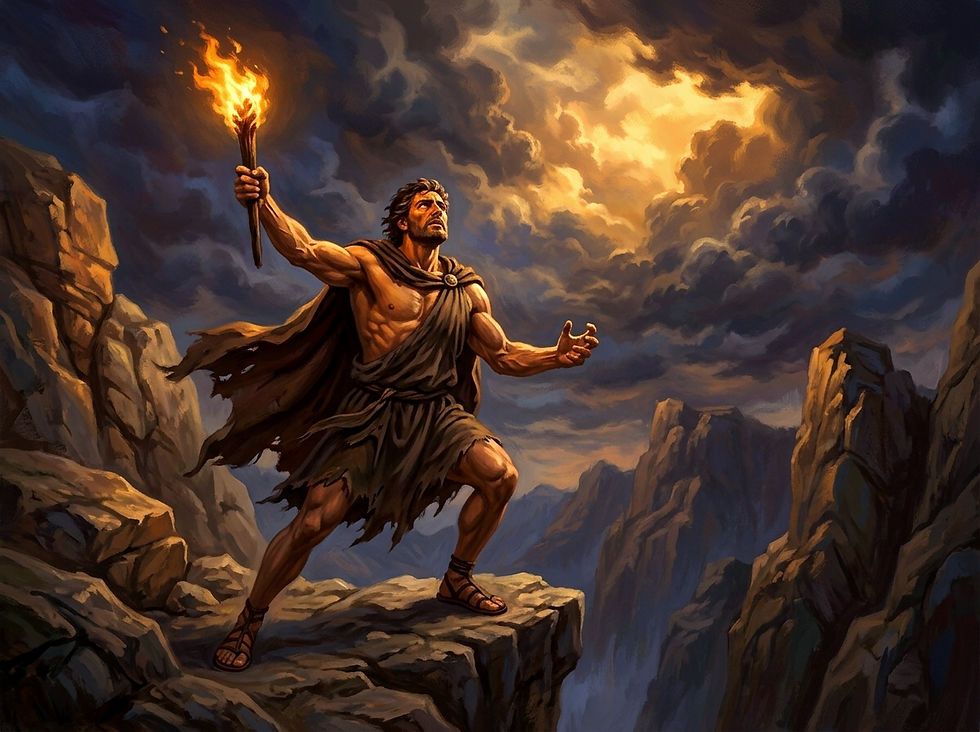
Myths are stories that explain the origins of the world, natural phenomena, gods, and human behavior. They often involve deities, supernatural beings, and cosmic events. Myths serve as a framework for religious beliefs and cultural values, providing meaning to life’s mysteries.
Key Features of Myths
Explain creation, natural events, or human nature
Involve gods, goddesses, or supernatural forces
Hold religious or spiritual significance
Passed down through generations as sacred tradition
Often set in a timeless, otherworldly past
Examples: In Greek mythology, the story of Prometheus explains how humans received fire. This myth not only accounts for a natural element but also conveys themes of sacrifice and rebellion against divine authority.

From Egyptian creation mythology, in the beginning there was only Nun, a dark, infinite ocean of chaotic waters. Out of this primordial water, a mound of earth rose up. On this mound stood Atum, a self-created god, the first being to emerge and act within the waters of Nun. From Atum, more gods were born in succession, eventually giving rise to the world and its divine order as we know it.
This creation myth mapped directly onto the Nile's annual flooding, whose retreating waters revealed fertile land each year, and granted the Egyptians a moral and political framework for its developing civilization.
What Is Folklore?

Folklore includes a broad range of traditional stories, customs, and beliefs shared by a community. It includes fairy tales, fables, proverbs, songs, and rituals. Unlike myths and legends, folklore is usually more focused on everyday life, social values, and entertainment.
Key Features of Folklore
Includes various story types: fairy tales, fables, riddles, songs
Reflects community values, humor, and wisdom
Often anonymous and collective in origin
Passed down orally and adapted over time
Used for entertainment, education, and cultural cohesion
The subcategory of fairy tales, which often targeted children, are narratives involving fantasy, magic, and supernatural elements like wizards, giants, trolls, goblins, dragons, and fairies with frequently a "fairy tale ending" or joyous happily ever after

Examples: The German folktales of the Brothers Grimm, such as "Little Red Riding Hood" and "Hansel and Gretel," are classic examples of folklore. The Grimms retold mostly Germanic folktales, from the Rhineland and Hesse regions, with story origins running centuries earlier. These tales teach lessons about caution, kindness, and cleverness through simple, memorable narratives.
Comparing Legends, Myths, and Folklore
While legends, myths, and folklore share the goal of preserving culture and entertaining audiences, their focus and function differ.
Element | Legends | Myths | Folklore |
Basis | Historical or semi-historical | Sacred, religious | Everyday life and culture |
Characters | Humans, sometimes supernatural | Gods, supernatural beings | Humans, animals, magical creatures |
Purpose | Celebrate heroes, explain events | Explain origins, teach morals | Entertain, teach social values |
Setting | Real places, historical times | Timeless, cosmic past | Varied, often rural or local; realm where magic exists |
Transmission | Oral and written | Oral, ritual, religious texts | Oral, communal sharing |
Overlapping Elements
Despite differences, these narrative forms often blend together. For instance, a legend might include mythological gods, while folklore might borrow elements from legends. All three rely on oral tradition and evolve with each retelling. They also serve to strengthen community identity and pass down important lessons for future generations.
Why These Stories Matter Today

Understanding the distinctions between legends, myths, and folklore helps us see how cultures use stories to explain the unknown, celebrate heritage, and teach values. These narratives continue to influence literature, film, and art, showing their lasting power. Next time you hear a tale of gods, heroes, or village life, consider what it reveals about the culture that created it.
By Mel Bridges

Comments