


Mythical Creatures: Exploring the Diverse Types of Dragons in Mythology
Updated: 4 days ago
Dragons have intrigued people for centuries, leaving us in awe and inspiring numerous tales in folklore, literature, and popular culture. These magnificent creatures embody the wonders of nature and the secrets that lie beyond our understanding, representing power, wisdom, and even, terror.
As we explore the different dragon types around the globe, we uncover their distinct characteristics, behaviors, and the roles they play in their unique legends. This blog post highlights the common dragon types, emphasizing their unique qualities and cultural significance.
Eastern/Oriental Dragons

Eastern dragons appear in Asian mythology and are often seen as kind, wise, and celestial beings. Unlike their fire-breathing Western counterparts, these dragons are associated with water, rain, and agricultural abundance. These dragons usually have a sleeker serpentine body, similar to an alligator's body, four legs, and no wings.
In Chinese culture, the dragon "long" represents power and good fortune. They are often depicted as guardians and deities of rivers and lakes, believed to control the rain and prevent floods. During festivals like the Chinese Lunar New Year, dragon dances celebrate their auspicious nature.
Japanese dragons, known as "ryū," share similar traits, acting as protectors who ensure bountiful harvests and favorable weather. Traditional Japanese art depicts these dragons alongside waves and clouds, underscoring their connection to water and agriculture.
Western Dragons
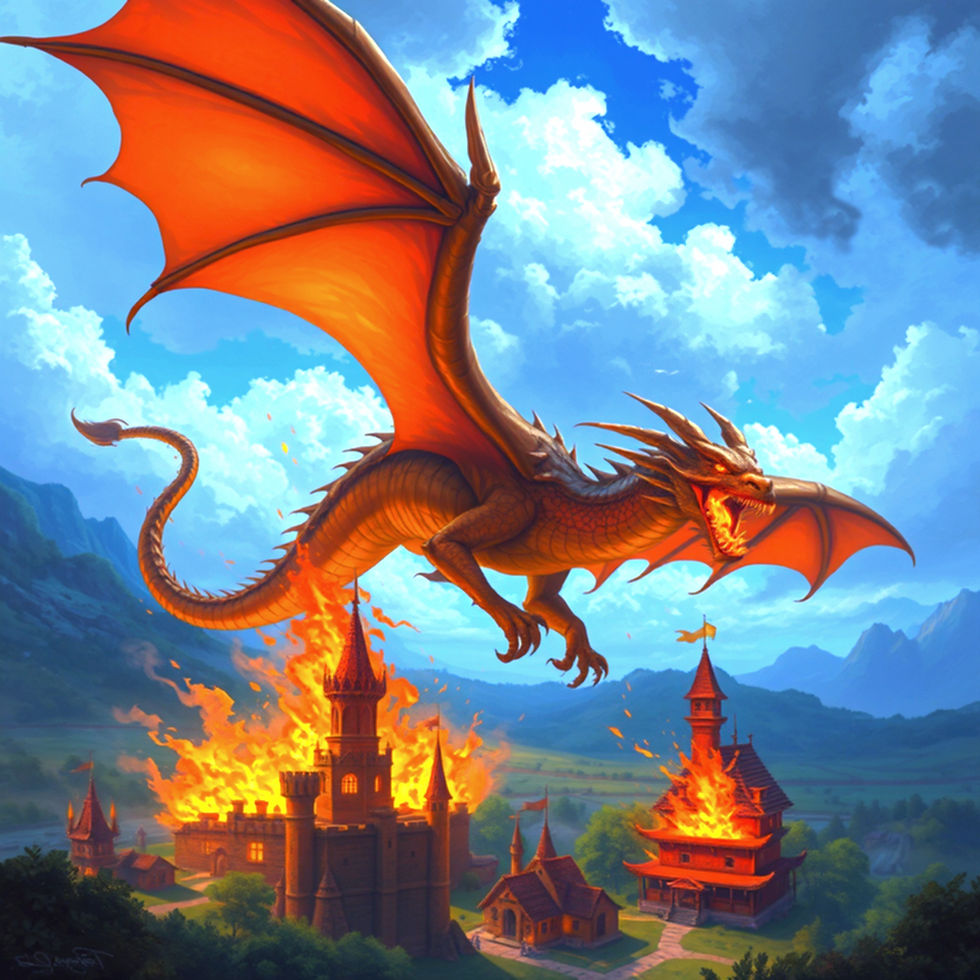
By contrast, Western dragons often appear as fierce, destructive beasts. Emerging from European myths, these dragons breathe fire and frequently have a pair of wings—thus, have a ready ability to fly. Sometimes these dragons are portrayed as guardians of treasure.
During medieval times, dragons symbolized chaos and evil, often battling heroic knights in famous tales. The legend of Saint George and the Dragon is a prime example, illustrating the triumph of good over malevolence. Common traits of Western dragons include large bat-like wings, tough, scaly bodies, and a long serpentine tail.
Different cultures across Europe celebrate their unique dragon legends. The Welsh dragon, "Y Ddraig Goch," is a symbol of national pride and appears prominently on the Welsh flag, representing strength and resilience.
Types of Western Dragons

Drakes are wingless dragons, resembling dinosaurs. These beasts appear as fire drakes capable of breathing fire, usually with a red and orange hide, and as cold drakes with ability to breathe out frost or ice, having a pale-blue or white hide.

Wyverns are two-legged creatures with wings, long barbed tails, and commonly do not breath fire. Many portrayals of wyverns depict them as full of rage and vengeance. They are often used in family crests and shields.
Wyrms, featured in Germanic legends, are long serpentine creatures, resembling worms, with tiny legs or no legs at all. They don't breathe fire. Lindworms are serpent-like beasts with small forelegs and no back legs. They slither around like snakes and can grow as long as 35 feet. These beasts have a "foul, milky" venom that can blind their prey. Lindworms share similarities with wyrms.
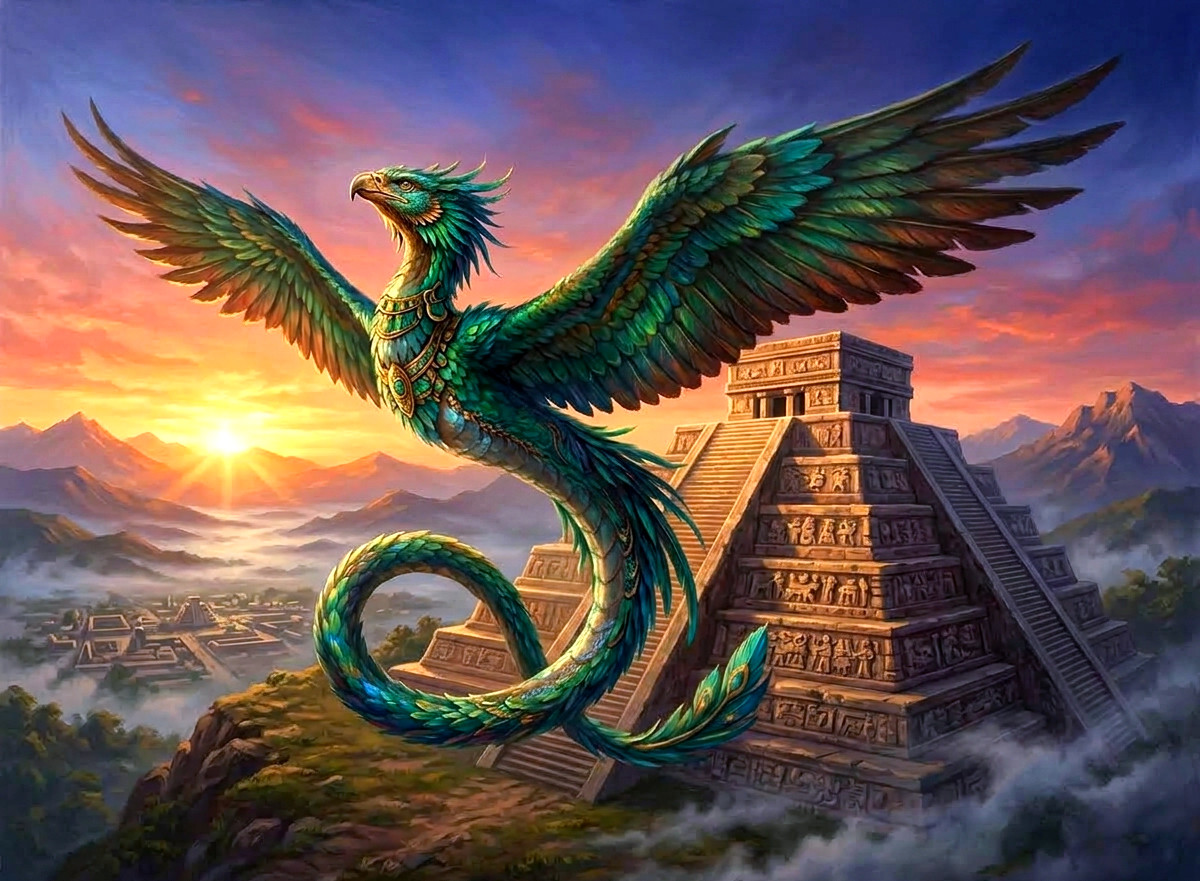
Amphiptere are serpentine creatures without legs but have bat-like wings, commonly with feathers and beaky snouts. The Aztec dragon god Quetzalcoatl is an amphiptere.
Knuckers are swamp beasts with four small legs that live in deep round pools. They are found in Western Europe, particularly Sussex, and even though they sometimes have wings, they don't fly. Having a potent purple venom, they can dissolve their enemies to liquid. Knuckers have an affinity for stealing household items.
The Sea Dragons
Sea dragons evoke a sense of wonder as enigmatic creatures in diverse mythologies, representing the wild and mysterious nature of the oceans. Often imagined as long, serpentine beings or hybrids with fish-like features, sea dragons embody the intrigue of the deep sea.
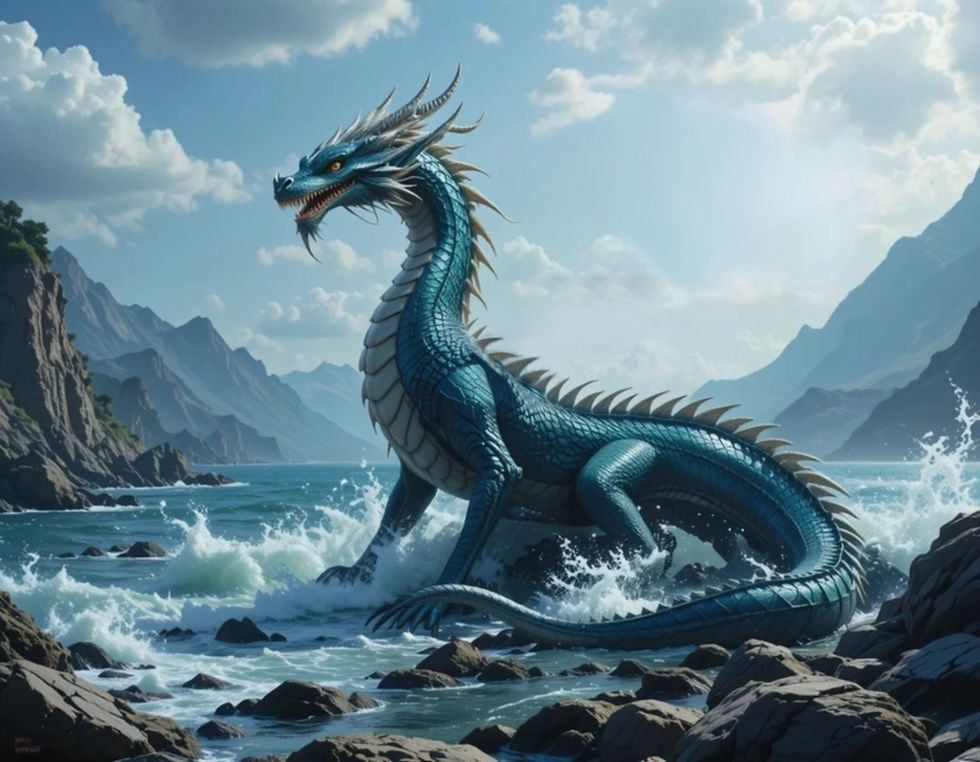
In Norse mythology, the Midgard Serpent, or Jörmungandr, encircles the earth. This colossal creature signifies the balance of nature and is so massive that it can grasp its own tail. The association of Jörmungandr with the end of the world in the Ragnarök myth underscores its importance in Norse beliefs.
Eastern cultures recognize dragon kings of the sea, who are revered as deities responsible for controlling aquatic storms and ensuring good fishing conditions. These dragons protect fishermen, emphasizing their role as guardians of the ocean's bounty.
The Elemental Dragons

Elemental dragons are interconnected with natural elements, embodying different aspects of nature through their powers. The most recognized elemental dragons include fire, ice, earth, and air dragons.
Fire dragons, similar to the Western dragons, are huge and powerful, bigger than their counterpart kin in the air and water. They have thick bodies and often are winged. Their fire-breathing ability gives them great destructive power, allowing them a way to vent their rage. Their scales shine like hot coals and even when they're not moving, they still feel warm.

In contrast, ice dragons represent the beauty of winter. Often residing in cold, remote areas, they command storms and blizzards, illustrating the harsh realities of this environment. Their presence can be felt in tales where they dictate the fate of travelers in snow-covered lands.

Earth dragons are the protectors of landscapes, resembling enormous creatures fused with rocks and soil. They're imagined as burrowing or mountain-dwelling creatures—tied to caves, stone, and the underground. Sometimes having small, vestigial wings, earth dragons are usually more grounded and heavier than other dragons. They oversee the foliage of forests and the flow of rivers, maintaining ecological balance.
Air dragons fly high as ghost-like birds with their white wings blending in seamlessly with white puffy clouds. They move fast and easily through the air, controlling the wind and lightning. Their shiny scales sparkle like mist, and their breathing makes the winds blow strongly. They are free and quick, full of energy and power from the open sky.
Mythical Dragons of the Americas

In the Americas, dragons and dragon-like creatures appear across various cultures, reflecting the regions' rich folklore. The feathered serpent deity Quetzalcoatl is a vital figure in Mesoamerican lore, representing the union of earth and sky. Quetzalcoatl symbolizes the link between the physical and spiritual realms.
Native American tribes have also contributed generations of dragon myths, often centering on serpentine monsters known as "water serpents" or "great snakes." These beings guard vital water sources and are treated with great reverence. In certain tribes, it is believed that respecting these creatures is essential for ensuring harmony with nature.
Final Remarks

Exploring the diverse dragon types worldwide offers us a wide perspective of the myths and cultures that transcend borders and ages. From the benevolent Oriental dragons symbolizing prosperity and wisdom to Western dragons representing chaos and conflict, these mythical beings continue to fascinate us. These fearsome creatures are emblematic of humanity's desire to understand the forces of nature and our struggles with the unknown.


Comments